Why Does My Espresso Taste Bitter? (And How to Fix It)
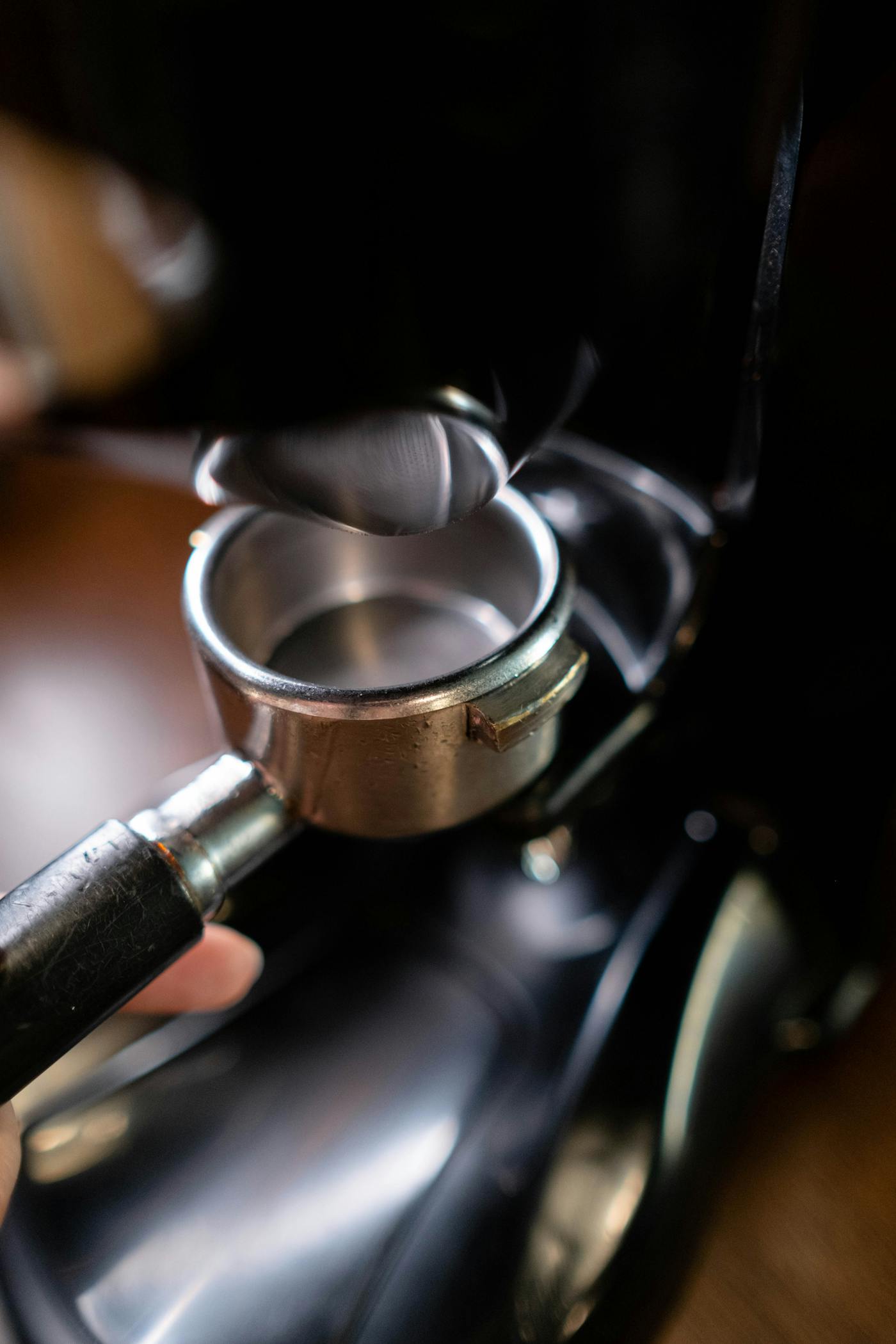
Short answer: Bitter espresso is almost always over-extraction — water pulling too much out of the grounds. The top three fixes, in order: grind a little coarser, shorten your shot (less water, stop sooner), and lower your brew temperature. Work through them one at a time and you’ll usually land on a sweeter shot within a few tries.
Bitterness isn’t random. It’s a signal, and it has a short list of causes. Let’s go through them in the order most likely to fix your cup.
First, make sure it’s actually bitter
The two espresso “off” flavors get mixed up constantly, and they have opposite fixes — so naming yours correctly matters more than anything else in this article.
| Tastes like | Cause | Direction to fix | |
|---|---|---|---|
| Bitter | Burnt, ashy, harsh, lingering dry finish | Over-extraction (too much pulled out) | Grind coarser, shorter shot, cooler water |
| Sour | Sharp, tart, salty, “empty,” makes you wince | Under-extraction (too little pulled out) | Grind finer, longer shot, hotter water |
If your shot is sharp and sour, you want the opposite of everything below — stop here and grind finer instead. If it’s genuinely bitter and harsh, read on.
A quick tell: bitter shots usually run too slowly (the grind is too fine, water struggles through and over-extracts). Sour shots usually gush (grind too coarse, water races through). Watch your next shot pour.
Fix #1: Grind a little coarser
This is the cause about 70% of the time, so start here.
If your grind is too fine, water moves through the puck too slowly and stays in contact too long — pulling out the harsh, bitter compounds that come out last. Going slightly coarser speeds the flow and stops the over-extraction.
What to do: bump your grinder one or two steps coarser (or a small nudge if it’s stepless), keep everything else the same, and pull another shot. Change one variable at a time — this is the golden rule of dialing in.
If your grinder adjusts in big coarse jumps and you keep overshooting from bitter to sour with nothing in between, that’s a grinder limitation, not a you problem. A finer-adjusting grinder (see our grinder guide) makes this dramatically easier.
Fix #2: Shorten your shot (check your ratio)
If you’re pulling too much water through the same grounds, the later part of the shot is mostly bitterness. The fix is to stop sooner.
Use a brew ratio as your anchor. For a standard shot:
- Weigh your dose going in (e.g. 18g of grounds).
- Weigh your shot coming out, aiming for roughly 2× the dose (so ~36g of espresso) — a “1:2 ratio.”
- Stop the shot when you hit that weight, regardless of time.
A cheap Timemore Black Mirror scale makes this trivial and is the single best $70 you can spend on better espresso. If your old shots were running to 50–60g, they were drowning in over-extraction — pull them shorter and they’ll sweeten up immediately.
Fix #3: Lower your brew temperature
Hotter water extracts faster and harder. If you’ve sorted grind and ratio and shots are still a touch harsh, your water may simply be too hot — especially on darker roasts, which are already further along the roast curve and scorch easily.
- If your machine has PID temperature control (many Breville machines do, and the Gaggia Classic Evo Pro can be modded for it), drop the brew temp by 1–2°C / a few °F and retry.
- If it doesn’t, you can approximate a cooler brew by waiting a touch longer between heating and pulling, or by switching to a slightly lighter roast.
Dark, oily, “espresso roast” beans are the most common hidden cause of stubborn bitterness. If you’ve dialed everything and it’s still harsh, try a fresh medium roast — it may not be your technique at all.
Fix #4: Clean your machine
Old coffee oils go rancid, and rancid oils taste bitter and stale in every shot — no amount of dialing fixes a dirty group head.
- Backflush with a detergent like Cafiza weekly if your machine has a solenoid valve (most prosumer machines do).
- Wipe the group head and gasket, and pull a blank shot to rinse.
- Replace old beans. Coffee is freshest 4–21 days after roast. Beans that have been open for a month taste flat and bitter regardless of technique.
If your espresso turned bitter suddenly after being fine, cleanliness or stale beans is the first place to look — those change over time, while grind and ratio don’t drift on their own.
Fix #5: Check your dose and puck prep
Two subtler culprits, worth checking once the big three are handled:
- Channeling. If water finds a crack and races through one spot, parts of the puck over-extract while others barely brew — and you taste the bitterness. Distribute your grounds evenly (a WDT tool breaks up clumps) and tamp level.
- Over-dosing. Cramming too much coffee into the basket can choke flow and over-extract. Make sure your dose actually fits your basket size with a little headroom.
The dial-in order, all in one place
When a shot tastes bitter, work down this list, changing one thing at a time:
- Confirm it’s bitter, not sour (opposite fix).
- Grind one step coarser.
- Pull a shorter shot — aim for a 1:2 ratio by weight.
- Lower brew temperature (or lighten the roast).
- Clean the machine; check bean freshness.
- Fix puck prep — distribute and tamp evenly.
Nine times out of ten you’ll fix it by step three. Espresso feels fussy at first, but it’s just a small set of variables — once you’ve dialed in a bag or two, it becomes muscle memory.
Frequently asked questions
My espresso is bitter and sour at the same time — what now?
That’s usually channeling — water is over-extracting some of the puck and under-extracting the rest, so you taste both at once. Focus on even distribution and a level tamp (Fix #5), and make sure your grind is consistent. A clumpy or uneven puck is the usual cause.
I changed the grind and now it’s sour. Did I overcorrect?
Probably — you jumped past the sweet spot. Go back finer by half of however much you adjusted. The target lives between bitter (too fine) and sour (too coarse), and dialing in is just narrowing toward that middle. Coarse-stepped grinders make this overshoot common.
Could it be my beans, not my technique?
Absolutely. Dark, oily roasts and stale beans both read as bitter no matter how well you pull. If you’ve worked through every fix and it’s still harsh, buy a fresh medium roast from a local roaster and start over — you may find your technique was fine all along.
Does water quality matter?
It does, more than people expect. Very hard or heavily chlorinated tap water can push shots toward harsh and bitter. Filtered water (or a remineralized espresso water) gives cleaner, sweeter results and protects your machine from scale at the same time.
How fast should my shot run?
As a rough guide, a standard 1:2 shot often falls around 25–32 seconds from the moment the pump starts. But time is a symptom, not the target — chase taste and weight, and let the time land where it lands. If a shot tastes great at 22 seconds, it’s a great shot.